
Brilliant Minds Development Center - Amman
Call us : 00962796110777
Brilliant Minds Development Center - Amman
Call us : 00962796110777
Change Your Habits… Change Your Results
One Small Step at a Time
👉 Results don’t change… unless the habits behind them change
- 1. Start With a Clear “Why”
2. Think Small: The Power of Tiny Habits
3. Pair Your New Habit With an Existing One
4. Make Good Habits Easy—and Bad Habits Hard
5. Celebrate Small Wins
6. Trust the Process
..
👈 النتائج لا تتغير... إلا إذا تغيرت العادات التي تقف وراءها
١. ابدأ بهدف واضح.
٢. فكّر بخطوات صغيرة: قوة العادات الصغيرة.
٣. اربط عادتك الجديدة بعادة موجودة.
٤. اجعل العادات الجيدة سهلة، والعادات السيئة صعبة.
٥. احتفل بالإنجازات الصغيرة.
٦. ثق بالعملية.
- 1. Start With a Clear “Why”
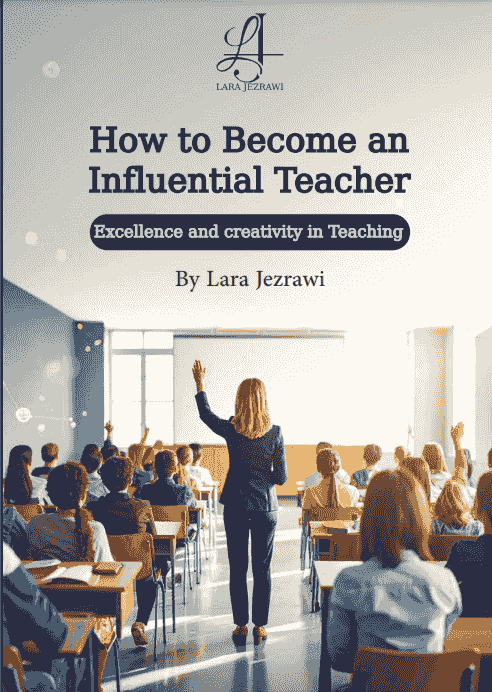
If you believe that education canchange lives, that teachers can shape societies, and that learning shouldnurture both the mind and the heartوthisbook is written for you.For schoolsto truly grow and stand out, they must invest in developing influentialteachers. Influential teachers do more than deliver curriculum; they shapeattitudes, inspire motivation, and model positive values. Research consistentlyshows that teachers’ influence has a direct impact on students’ engagement,academic achievement, and emotional well-being.At the heartof this book lies a clear message: a successful teacher is not onlyknowledgeable, but also conscious, flexible, and responsive to the individualneeds of learners. Children do not all learn in the same way, at the samepace, or with the same motivations. Recognizing these differences is the firststep toward meaningful and lasting learning.
The book acts as a roadmap for educators, offering practical insights into:·
- Understanding students’ emotional and psychologicalneeds·
- Building positive and respectful communication in theclassroom· Creating a supportive learning environment thatencourages participation of students who have Special Educational Needs.·
- Developing the teacher’s self-awareness, mindset, andprofessional growth·
- Knowing the different roles a teacher or a parentshould adapt in order to meet the student needs.
Rather than presenting rigid theories, this book connects educational principles with realclassroom experiences. It highlights the importance of dialogue, observation,and reflection, helping teachers move from traditional instruction toconscious, student-centered learning.When teachersare influential, the general school atmosphere becomes more positive,collaborative, and respectful. Such environments encourage students to feelsafe, motivated, and confident, which in turn enhances learning outcomes.Moreover, schools known for strong, inspiring teachers tend to build a strongerreputation within their communities, attracting parents, students, andhigh-quality staff.In addition,influential teachers contribute to long-term school success by promoting ashared vision, improving communication, and strengthening relationships amongstudents, parents, and administration. As a result, the school is not onlyacademically successful but also recognized as a nurturing and forward-thinkinginstitution.

